العمل التشاركي
تشجيع الجهات على الالتزام بالتطوير المستمر للمهارات، والعمل ضمن فرق عمل متعددة التخصصات.


يساعد إنشاء خريطة الأطراف المعنيين بالخدمة الفرق على تصوّر المنظومة الكاملة للخدمة.
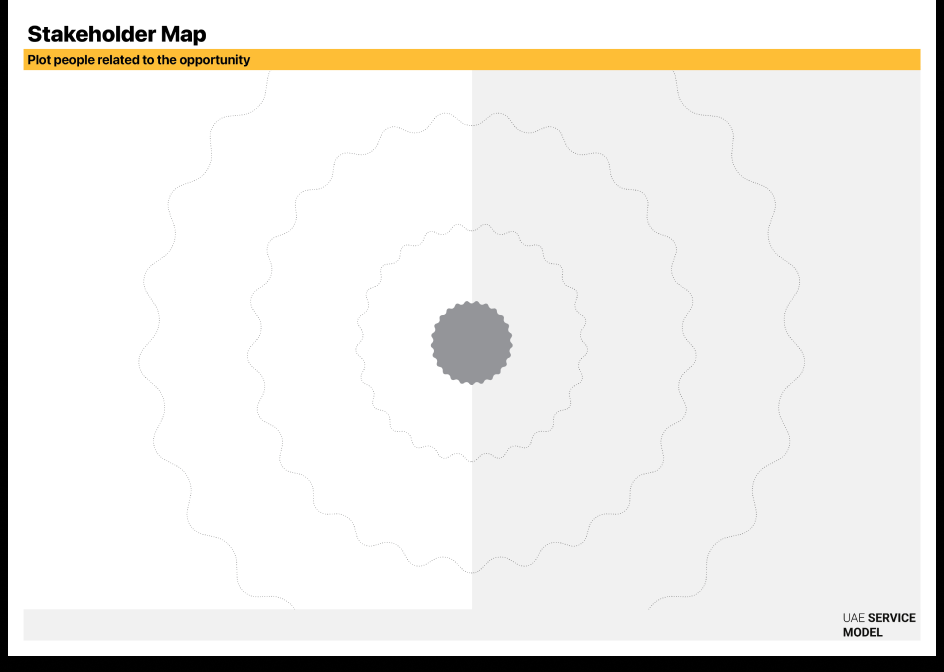
يساعد إنشاء خريطة الأطراف المعنيين بالخدمة الفرق على تصوّر المنظومة الكاملة للخدمة. وتتجاوز هذة الخريطة مجرد حصر الأسماء، لتشمل رسم العلاقات ومستويات التبادل بين جميع الجهات المعنية. وفي السياق الحكومي الحديث، لم تعد "الأطراف المعنيين بالخدمة" تقتصر على الأفراد فقط، بل تشمل أيضاً الأنظمة الرقمية ووكلاء الذكاء الاصطناعي ومزوّدي البيانات الخارجيين والخوارزميات التنظيمية. وتوفر هذه الأداة الوضوح اللازم للتعامل مع هذه الشبكات المعقدة، ما يضمن التوفيق بين الشركاء التقنيين وموظفي الصفوف الأمامية وصناع السياسات، لتقديم خدمة متكاملة وجاهزة للذكاء الاصطناعي.

من ساعة إلى ساعتين (لكل خدمة أو مشروع)

من مبتدئ إلى متوسط

الفهم والتعاطف

لا يوجد، ومن ثمّ يمكن استخدام الأداة في أي مرحلة

قالب خريطة أصحاب المصلحة (رقمي أو مطبوع)، ملاحظات لاصقة أو علامات رقمية

فريق متعدد التخصصات (من مصممي الخدمات ومدراء المشاريع وصنّاع السياسات وقادة تقنية المعلومات وموظفي الصف الأمامي والشركاء الخارجيين)
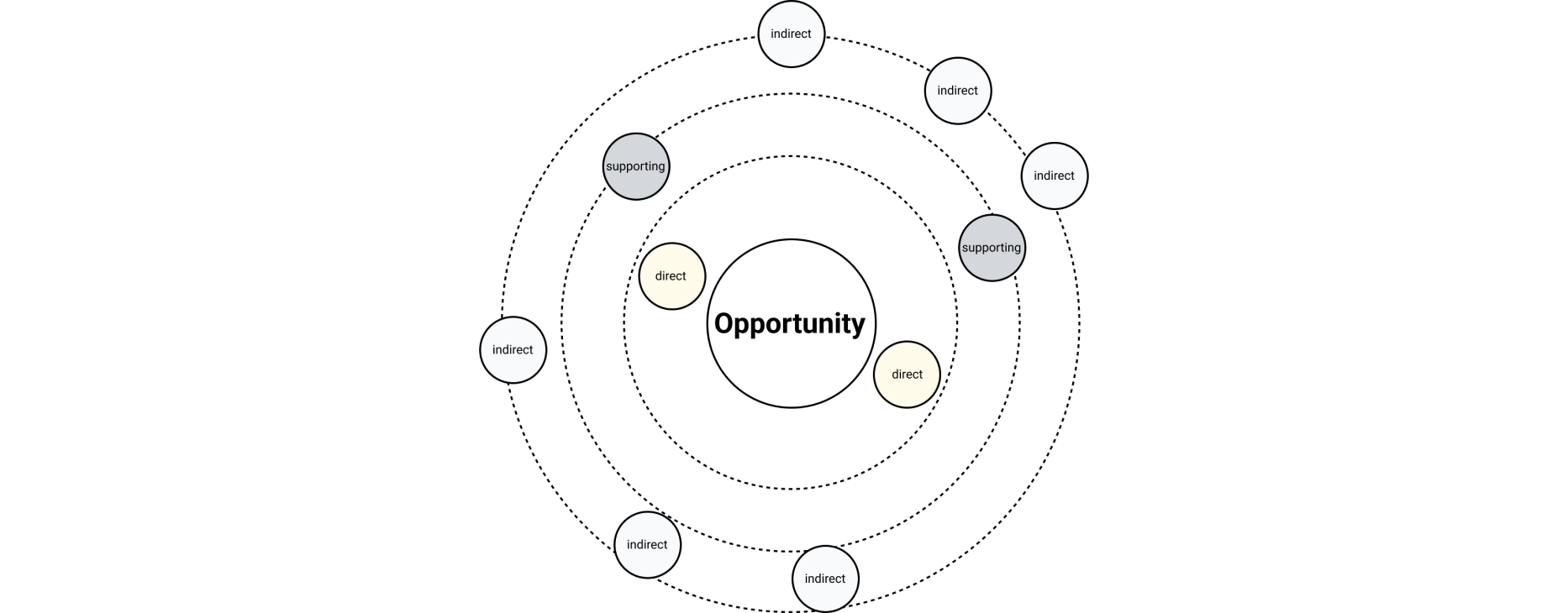
ابدأ بكتابة الفرصة أو محور المشروع في مركز الخريطة.
أدرج جميع الأطراف المرتبطة بالتحدي، بما في ذلك موظفي الصف الأمامي والشركاء التقنيين (مزوّدي واجهات برمجة التطبيقات)، والمتعاملين والموظفين والإدارات والمورّدين والشركاء والجهات التنظيمية وأي أطراف أخرى تتأثر بالخدمة أو تؤثر فيها.
ضع الأطراف المعنية على الخريطة وفق مستوى مشاركتهم أو تأثيرهم:
الدائرة الداخلية: المتعاملون الأساسيون والجهات ذات الاختصاص المباشر في تقديم الخدمة
الدائرة الوسطى: الادارات والأقسام الداعمة أو الشركاء المتعاونون.
الدائرة الخارجية: المؤثرون غير المباشرين أو الجهات الخارجية.
ارسم الروابط بين الأطراف المعنية لتوضيح العلاقات المتبادلة أو تدفقات التواصل. ودوّن نقاط التعاون الرئيسية أو مواطن التعارض المحتملة.
ناقش مَن يملك سلّطة اتخاذ القرار ومَن يقدم المدخلات ومَن يتأثر بالنتائج، ما يساعد على توضيح هياكل الحوكمة والكشف عن فجوات التواصل أو تحمل المسؤولية.
استناداً إلى الخريطة، اتفق على أساليب الإشراك المناسبة: مَن سيتم إشراكه في التصميم ومَن سيقدم الاستشارات ومَن يتم إبقاؤه على اطلاع طوال عملية التصميم. وبالنسبة لموظفي الصفوف الأمامية، يُنصح بالتخطيط لجلسات تصميم تشاركية مبكرة لاختبار الجدوى التشغيلية.
استخدم رمز الاستجابة السريعة الخاص "بإعادة صياغة التحدي" لمساعدة الذكاء الاصطناعي على كشف "الفرص الخفية" أو الأطراف المعنية غير الظاهرة، من خلال طلب عرض الأطراف المعنية من منظور شمولي أو تنظيمي قد يكون تم إغفاله.
اكتشاف الأطراف المعنية: صف مفهوم الخدمة لأداة الذكاء الاصطناعي واطلب: "أدرج جميع الجهات التنظيمية المحتملة وشركاء القطاع الخاص والأقسام الداخلية في دولة الإمارات التي قد تتأثر بخدمة تتعلق بـ [الموضوع، مثل: الطائرات ذاتية القيادة]".
استشراف المواقف: أدخل بيانات أو تقارير حكومية صادرة عن طرف معين (مثل جهة تنظيمية) إلى أداة الذكاء الاصطناعي واطلب: "استناداً إلى هذه الوثائق، ما الشاغل الرئيسي المتوقع لهذا الطرف المعني تجاه خدمتنا الجديدة المدعومة بالذكاء الاصطناعي؟".
الروابط بين الأطراف المعنية أهم من النقاط نفسها. ابحث عن الروابط المنقطعة حيث ينبغي لإدارتين أو جهتين أن تتواصلا لكنهما لا تفعلان.
حدّث خريطة الأطراف المعنيين بالخدمة بانتظام مع تطور المشروع، فغالباً ما تظهر أطراف جديدة عند الانتقال من التصميم إلى التنفيذ.
في الخدمات الحديثة، قد تكون "قاعدة بيانات قديمة" أو "خوارزمية ذكاء اصطناعي" طرفاً معنياً يفرض قواعد وحدوداً. ضع في اعتبارك إدراج هذه العناصر لفهم القيود التقنية بشكل أفضل.
تعمل وزارة الصحة على تصميم خدمة مدعمة بالذكاء الاصطناعي تستخدم بيانات الساعات الذكية للمتعاملين لاكتشاف المؤشرات المبكرة لمرض السكري.
رسم خريطة المستويات الثلاثة (البشرية وغير البشرية)
الدائرة الداخلية: المتعاملون (المستخدمون) والممرضون.
الدائرة الوسطى: مزوّد الأجهزة القابلة للارتداء (المسؤول عن الواجهة البرمجية)، ومحرك تقييم المخاطر بالذكاء الاصطناعي (طرف غير بشري "يقرر" مَن هم المعرضون للخطر).
الدائرة الوسطى: مزوّد الأجهزة القابلة للارتداء (المسؤول عن الواجهة البرمجية)، ومحرك تقييم المخاطر بالذكاء الاصطناعي (طرف غير بشري "يقرر" مَن هم المعرضون للخطر).
أدى إنشاء الخريطة إلى تغيير استراتيجية الفريق بشكل كامل.
كشف التأثير الخفي: اكتشف الفريق أن مكتب حماية البيانات (الدائرة الخارجية) يمتلك تأثيراً أكبر من الوزارة نفسها. ولو لم يتم إشراك هذا الطرف المعني مبكراً لوضع قواعد الموافقة على استخدام البيانات، لكان من المرجح تعطيل الخدمة عند الإطلاق.
فهم التعقيد: تبين أن المشروع ليس "تطبيقاً طبياً" فحسب، بل شراكة قانونية وتنظيمية معقدة. وأبرزت الخريطة أنه من دون اتفاق رسمي مع مزوّد الأجهزة القابلة للارتداء (الدائرة الوسطى)، فلن تتوفر البيانات اللازمة لتشغيل الخدمة. النتائج: بدلاً من البدء بتصميم التطبيق، أعطى الفريق الأولوية لورشة قانونية مع مكتب حماية البيانات والمزوّد التقني، ما ساهم في توفير أشهر من أعمال التطوير غير المجدية.
وكشفت الخريطة أن "مكتب حماية البيانات" و"مزوّد الأجهزة القابلة للارتداء" كانا طرفين معنيين حاسمين لكن غير مترابطين. وبناءً على ذلك، ركز الفريق على مبدأ العمل التشاركي وكسر الحواجز التنظيمية لإشراك هذه الأطراف مبكراً في مراحل التنظيم القانوني والتقني. وكان هذا التعاون بين القطاعات عاملاً أساسياً للتعامل مع البيئة التنظيمية المعقدة وتقديم خدمة ذكاء اصطناعي متكاملة.
مبادئ تصاميمنا المرتبطة بخريطة أصحاب المصلحة.
مبادئ خدماتنا بنا المرتبطة بخريطة أصحاب المصلحة.