Agile Teams
Develop cross-functional, collaborative agile teams to drive success.
تشجيع الجهات على الالتزام بالتطوير المستمر للمهارات، والعمل ضمن فرق عمل متعددة التخصصات.
لا تُعد المرونة منهجية تطوير بحد ذاتها، بل تشير إلى نموذج تنظيمي يتم فيه العمل بواسطة فرق صغيرة ومتنوعة التخصصات ومدعومة، تعمل في دورات متكررة وسريعة الوتيرة مع التركيز على القيمة المضافة.
يستدعي التطور الرقمي الحالي من الجهات التمتع بالسرعة والتكيف والشمولية في تقديم الخدمات. في هذا الإطار، تُعد المرونة منطلقاً لتعزيز ممارسات التكيف وإجراءاتها، ما يتيح للجهات الحكومية الاستجابة بسرعة للتغيرات في الاحتياجات والأولويات والتحديثات المتغيرة في المشهد الرقمي العالمي.
تعتبر المنهجيات المرنة أكثر ملاءمة بالنظر إلى التقدم التكنولوجي ووتيرة التغيير التي نشهدها حالياً، حيث تخفف من المخاطر من خلال إشراك المتعاملين في وقت مبكر والتكيف المستمر مع المتطلبات والبيئات المتطورة. كما توفر المرونة القدرة على الاستجابة بسرعة وفعالية لاحتياجات المتعاملين وتوقعاتهم.
على عكس النهج التقليدي، يقوم المشروع المرن بتقديم العمل على شكل مجموعات صغيرة. ويتم تحديث المتطلبات والخطط والنتائج بشكل مستمر.
تُعد "الدورات" تعديلات متكررة مصغرة للمشروع. فكل دورة، تركز على التصميم والبناء والمصادقة والمراجعة. ومع كل تعديل متكرر، تعزز التحسينات الخدمات المتاحة.
تتمكّن الفرق متعددة التخصصات من فهم احتياجات المتعاملين المتنوعة واستشرافها بكفاءة. كما تتميز بمرونة عالية في الاستجابة للمتطلبات المتغيرة، ما يؤدي إلى تقديم الخدمات التي تتسم بالكفاءة العالية والابتكار.
ويمكن لهذا النهج التحويلي أن يؤدي إلى نمو متسارع وإنجازات نوعية تُحدث فارقاً حقيقياً. كما يلهم هذا النجاح الموظفين والفرق الأخرى ويحفزهم، ويسهم في ترسيخ معايير أعلى للأداء والتميز.
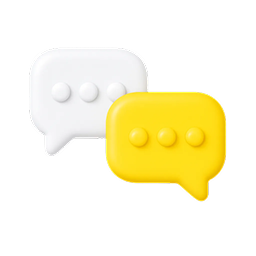
في النموذج التقليدي، تتشكل الفرق من أفراد يتمتعون عادةً بالمهارات ذاتها ضمن فريق واحد، ما قد يحد من المرونة ويُضعف التواصل. أمّا الفريق المرن، فهو فريق صغير ومتعدد التخصصات أو المهام يتمتع بدرجة عالية من الإدارة الذاتية، ويتميز بقدرات قوية على العمل الجماعي والتعاون المتبادل.
اختيار المرشحين ذوي المهارات والخبرات ووجهات النظر المتنوعة في أثناء عملية التوظيف، وذلك على أساس الاختصاص والخبرة الشاملة في مختلف التخصصات. وينبغي تشكيل فرق هجينة تجمع بين المواهب الداخلية والمستشارين الخارجيين.
تشجيع ثقافة التعلم والتحسين المستمر من خلال تنظيم البرامج التدريبية مثل ورش العمل والدورات التدريبية عبر الإنترنت، مع الحرص على الاحتفاء بالأفراد الذين يسعون إلى تعزيز قدراتهم بتعلم مهارات جديدة ومكافأتهم.
تنفيذ دورات التطوير المستمر المصممة لاحتياجات المشاركين، والتي يمكن أن تشمل تنظيم ورش عمل وندوات واقعية وأخرى افتراضية وغيرها.
تنفيذ برامج التدريب الشامل حيث يتعلم الموظفون مهارات جديدة خارج دورهم الأساسي. يساعد هذا النوع من التدريب على بناء قوى عاملة أكثر تنوعاً وقدرة على التكيف.
يمكن أن يساعد السماح لأعضاء الفريق بتناوب الأدوار المختلفة داخل الفريق أو الجهة في تطوير مجموعة واسعة من المهارات وفهم أفضل لأدوار زملائهم.
يقصد بالحلقات المشتركة تشكيل المجموعات التي تضم أفراداً يشتركون في اهتمامات أو في مجال التخصص حيث يجتمعون لتبادل المعرفة والخبرات. في حين أن هذه الحلقات لا تعد فرقاً بالمعنى التقليدي، بل تساعد في تعزيز تبني عقلية متعددة التخصصات داخل الجهة.
يتعين على كل عضو في الفريق فهم رسالة الفريق وأهدافه وغاياته بوضوح. ويجب أن تكون هذه الأهداف محددة وقابلة للقياس. كما ينبغي تحديد أدوار الأفراد بوضوح لتجنب الالتباس وتعزيز المساءلة.
يساعد توظيف الأفراد الموهوبين من خلفيات ومهارات متنوعة في خلق أساس قويّ للفريق الناجح.
تعتبر الثقة أمراً أساسياً للتعاون الفعال، ولذلك ينبغي تنظيم أنشطة تزيد من الثقة المتبادلة بين جميع أفراد الفريق تحثّهم على أن يكونوا منفتحين وصادقين وشفافين.
يتمتع كل فرد في الفريق بنقاط قوة متميزة. ويساعد فهم نقاط القوة هذه وتعيين المهام وفقاً لها على زيادة الإنتاجية ويحسّن أيضاً الرضا الوظيفي.
تشجيع أعضاء الفريق على التعاون وتبادل الأفكار والابتكار من خلال جلسات العصف الذهني وورش العمل الحضورية والافتراضية والتعاون بين الفرق متعددة المهام.
مصادر إضافية حول سبل تعزيز التعاون والنمو المستمر في بيئة عملنا.
مبادئ خدماتنا المرتبطة بالعمل المشترك والتطوير.