
معايير الخدمة
قيِّم مدى توافق خدمتك مع المعايير العالمية، وتعرّف على كيفية تقديم تجربة متعامل متميزة من خلال النظام العالمي لتصنيف الخدمات بالنجوم.


أفضل الممارسات لتطوير آليات قياس هادفة وذات قيمة.

يركز أحد الجوانب الأساسية لتنفيذ مشروع مرن على تحديد معايير نجاح واضحة والتأكد من إجراء القياسات للبقاء على المسار الصحيح.
أمثلة توضيحية:
قد تشمل المعايير الأساسية "مدة الإنجاز"، وهي الوقت اللازم لنقل إحدى الخصائص المُدرَجة على قائمة المهام إلى مرحلة الإنتاج، أو "سرعة الإنتاجية"، التي تمثل عدد مطالب المتعاملين التي تمت معالجتها في دورة تطوير واحدة.
يمكن تقييم المقاييس المرتبطة بأهداف من خلال "اعتماد المتعاملين" أو "رضا المتعاملين". ويجب ضمان ربط كل المقاييس المختارة بالأهداف الاستراتيجية ووثائق المشروع وخارطة الطريق وقائمة المهام.
قد تتخذ مقاييس المصادقة شكل "مطالب المتعاملين" أو "عدد التحديات". وينبغي أن تساهم هذه المقاييس في تحفيز السلوكيات المرغوبة والحرص على التركيز بشكل أكبر على النتائج.
يمكن ضمان التزام الإدارة من خلال الاجتماعات المنتظمة للتأكد من إشراك المدراء المعنيين، حيث يعتبر الحصول على موافقة كبار المسؤولين عنصراً أساسياً لنجاح المشروع. ويُعد ضعف دعم الإدارة أو عدم فهمها للمشروع أحد التحديات الأكثر شيوعاً.
لاتخاذ قرارات قائمة على البيانات، ينبغي الاستفادة من الأدوات المؤتمتة لقياس الأداء. لهذا السبب لابد من تعزيز عمليات الأتمتة قدر الإمكان.
من أجل إطلاع المعنيين على مستويات الأداء، يمكن استخدام أدوات التطوير والإدارة لاستخلاص مقاييس مرنة وعرضها بشكل فوري.
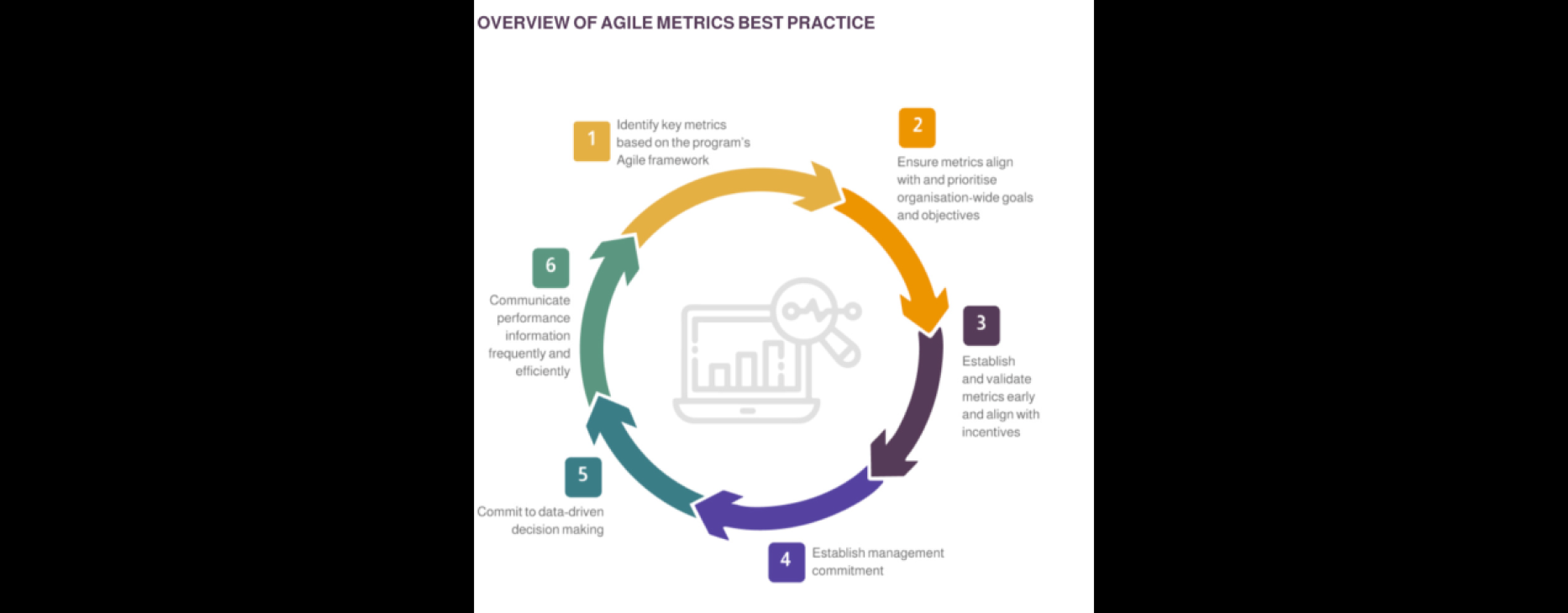
يسهم تحديد مؤشرات أداء واضحة وتتبعها في تحويل عملية اتخاذ القرار من الاعتماد على الحدس إلى الارتكاز على البيانات، ما يضمن توجيه الموارد نحو المهام التي تحقق قيمة حقيقية. كما يعزز هذا النهج ثقافة التحسين المستمر، حيث تتمكّن الفرق من تعديل المسار بسرعة استناداً إلى الأدلة، ما يؤدي إلى رفع معدلات التبنّي وتحسين الكفاءة التشغيلية.
يُسهم استخدام نظام النجوم العالمي لتقييم الخدمات في قياس أداء الخدمات وتقييمه.
ولتحسين الكفاءة، يُعد القياس الدقيق أمراً بالغ الأهمية. كما تساعد أدوات الأداء والكفاءة القائمة على البيانات في إدارة مختلف أبعاد كفاءة الخدمة، بما يشمل ما يلي:
إدارة الإجراءات التجارية (BPM): تخطيط مسارات العمل وتحليلها وأتمتتها.
إدارة المشاريع: متابعة تقدم العمل وتنسيق المهام (على سبيل المثال، Trello وAsana)
عدد الخدمات المنجزة في فترة معينة (معدل الإنجاز).
نسبة المهام التي تحتوي على أخطاء وتتطلب إعادة العمل (معدل الخطأ).
ذكاء الأعمال وتحليلات البيانات: تحليل البيانات واستخراج الاستنتاجات لدعم عملية اتخاذ القرارات (على سبيل المثال، PowerBI وTableau)
إدارة خدمات تكنولوجيا المعلومات (ITSM): التحكم في تقديم خدمات تكنولوجيا المعلومات، وتحسين الموثوقية والاستجابة (على سبيل المثال، ServiceNow وJira)
أتمتة العمليات الآلية (RPA): أتمتة المهام الروتينية (على سبيل المثال، UiPath وBlue Prism)
إدارة علاقات المتعاملين (CRM): تبسيط التفاعل مع المتعاملين (على سبيل المثال، Salesforce وMicrosoft Dynamics)
المدة الزمنية المستغرقة للرد على الطلبات (وقت الاستجابة)
المدة الزمنية التي يكون فيها النظام قيد التشغيل ومتوفر (وقت التشغيل)
مستوى رضا المتعاملين (درجة رضا المتعامل)
الشؤون المالية: إدارة الشؤون المالية ومتابعة الإنفاق (على سبيل المثال، quickbooks وoracle وsap)
إعداد الموازنة: دعم تخطيط الميزانية واستشرافها (على سبيل المثال، adaptive insights وplanfull)
النسبة المئوية للميزانية المتعاملة بفعالية (استخدام الميزانية)
الفرق بين التكلفة المدرجة في الميزانية والتكلفة الفعلية (تباين التكلفة)
مصادر إضافية حول سبل قياس النجاح في آلية عملنا.
مبادئ خدماتنا المتعلقة بقياس النجاح.