Testing
Test experiences, iterate, and improve.


ضمان تكافؤ الفرص في الوصول والمشاركة للجميع.

تشير الشمولية في تصميم منتج أو خدمة إلى مراعاة واحتواء الاحتياجات والقدرات والتفضيلات المتنوعة لشريحة واسعة من المستخدمين أو المتعاملين
وتشمل تطوير تصاميم تضمن سهولة الوصول والاستخدام، وتقديم تجربة سلسة ومتكاملة لجميع المتعاملين، بغض النظر عن العمر أو الجنس أو الخلفية الثقافية أو اللغة أو القدرات الجسدية أو الذهنية أو أي خصائص فردية أخرى.
يهدف التصميم الشامل إلى إزالة الحواجز وضمان المساواة في الوصول والمشاركة للجميع. ولتحقيق مبدأ الشمولية في تصميم الخدمات والمنتجات، ينبغي إجراء البحوث وجمع الأفكار حول مجموعات المتعاملين المختلفة وفهم متطلباتهم الفريدة ودمج تلك الأفكار في عمليات التصميم.
يشمل ذلك إتاحة قنوات تواصل بديلة، ومراعاة التنوّع الثقافي، وتوفير واجهات مرنة قابلة للتخصيص، إلى جانب توظيف تقنيات مساعدة متعددة تلبي احتياجات مختلف فئات المتعاملين.
ولتحقيق التصميم الشامل، يتعيّن على الجهات التركيز على مجالين رئيسيين:
إمكانية الوصول
سهولة الاستخدام
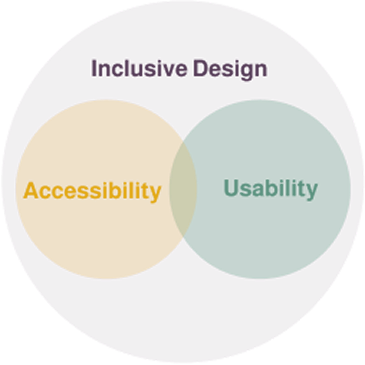
من خلال اعتماد نهج التصميم الشامل، يمكن للجهات تصميم وإطلاق منتجات وخدمات تلبي احتياجات جمهور أكبر وتحسين رضا المتعاملين وتعزيز تكافؤ الفرص والاندماج الاجتماعي.
يتجاوز تصميم نهج شامل الامتثال لمعايير إمكانية الوصول، بحيث يركز على قبول التنوع ويسهم في تعزيز تجربة سلسة لجميع المتعاملين.




مصادر إضافية حول سبل تقديم خدمات تجسّد مبدأ الشمولية.
مبادئ التصميم لدينا المتعلقة بالشمولية.