Prototyping
Create and test earlier versions of a service with users and stakeholders to deliver services exceeding expectations
Prototyping, learning and iterating
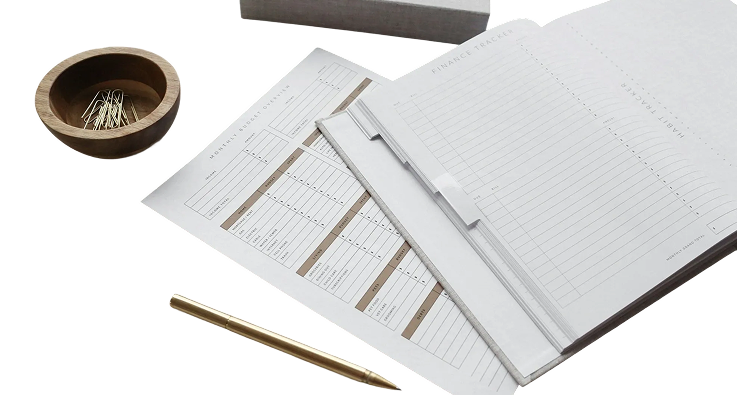
Prototyping as part of an agile methodology allows to create and test earlier versions of a service with users and stakeholders, providing an opportunity to validate assumptions, learn from feedback and iterate on the design.

Low-fidelity prototypes using pen and paper or simple drawing tools.

User interface representations, created using specialised tools.

Prototyping using interactive elements to simulate users’ interactions.

Includes actual functionality and limited back-end integration. Gives a more realistic experience.

Prototypes used in web development projects, Interactive and can integrate with backend.

Stripped down version of product with core features.
Virtual reality (VR) can be used to simulate the experience of using a new product or service before it is launched. This can help the government to get feedback from users and to identify potential problems before they occur. For example, Foster + Partners is using VR to design and prototype new buildings. VR allows architects to create immersive experiences that allow clients to walk around and interact with the building in a realistic way. This helps clients to visualise the finished product and to make changes before the building is constructed.
Avoid getting too attached to a specific prototype and incorporate user feedback in the iteration process. Rapid prototyping can quickly test design ideas, but prototypes should be of sufficient quality and accurately reflect the final product.
Accurately represents the final product / service.
Is easy to use and navigate.
It should be feasible to build and scale.
Ensure that it meets their needs and expectations.